“Islamic Art in the Bargello Museum: From Florence to Kuwait” organized by the National Council for Culture, Arts and Letters in cooperation with the Italian Embassy.
From 14 Dec 2021 until 14 January 2022, at the Amricani Cultural Centre.
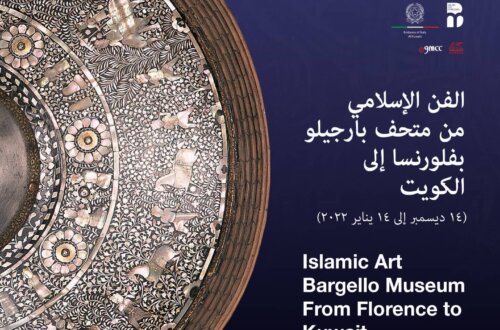
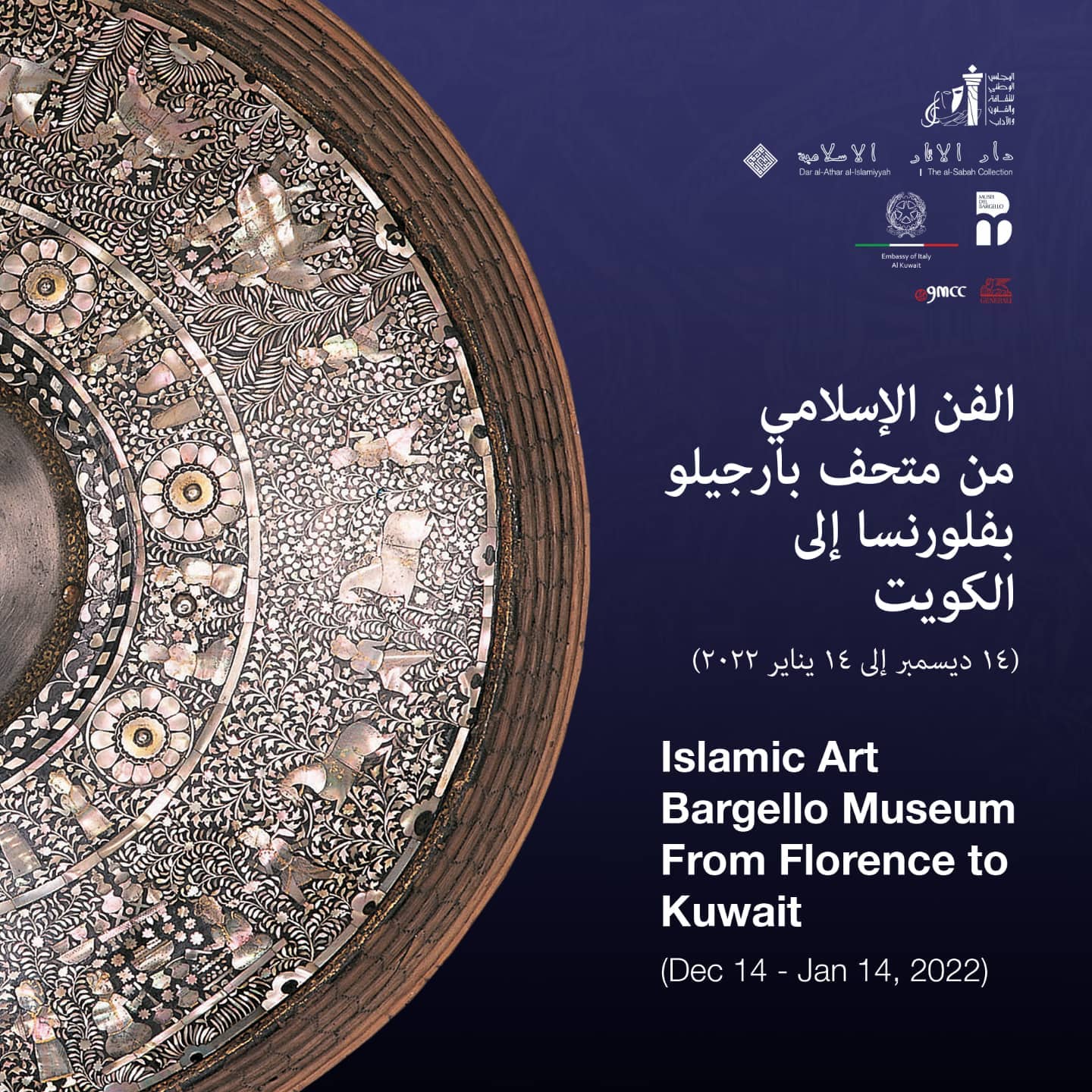
“Islamic Art in the Bargello Museum: From Florence to Kuwait” organized by the National Council for Culture, Arts and Letters in cooperation with the Italian Embassy.
From 14 Dec 2021 until 14 January 2022, at the Amricani Cultural Centre.
You can share this event by:
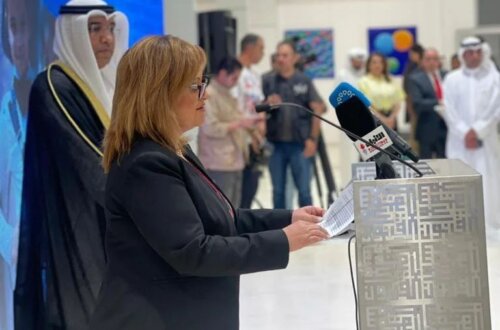
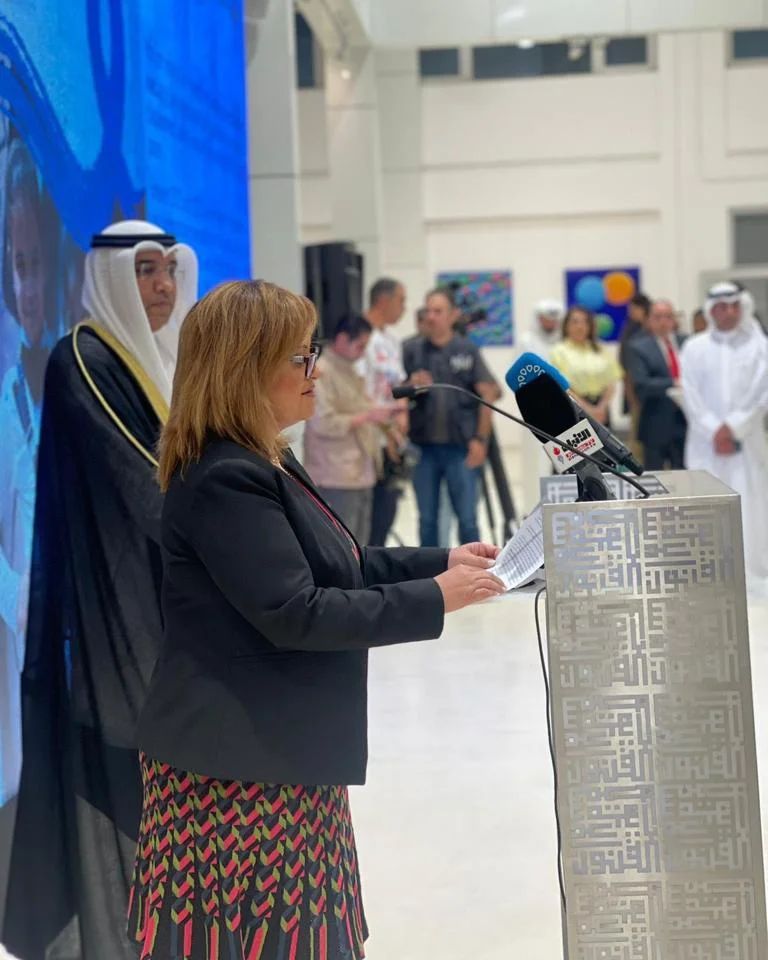
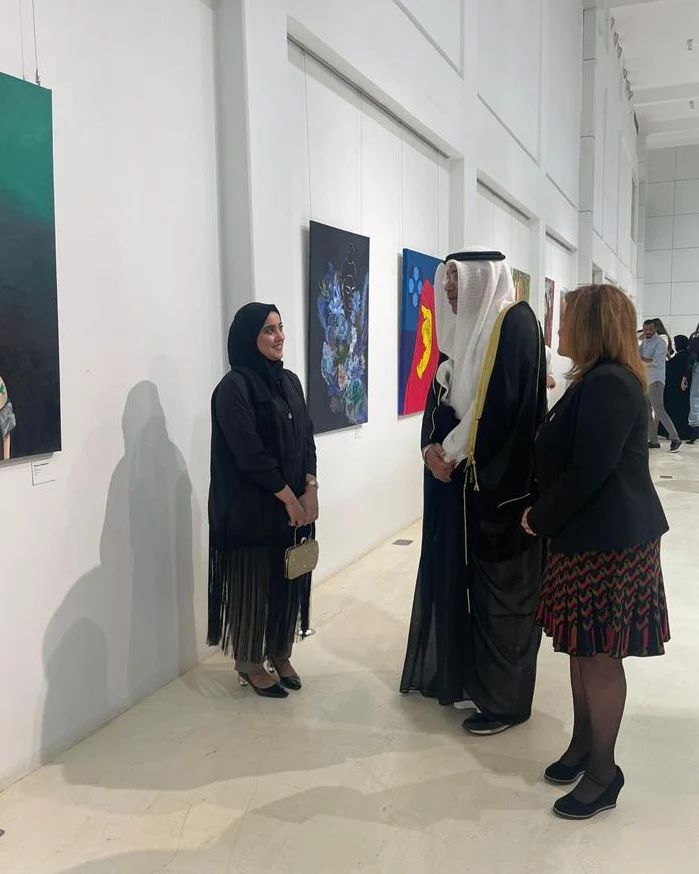
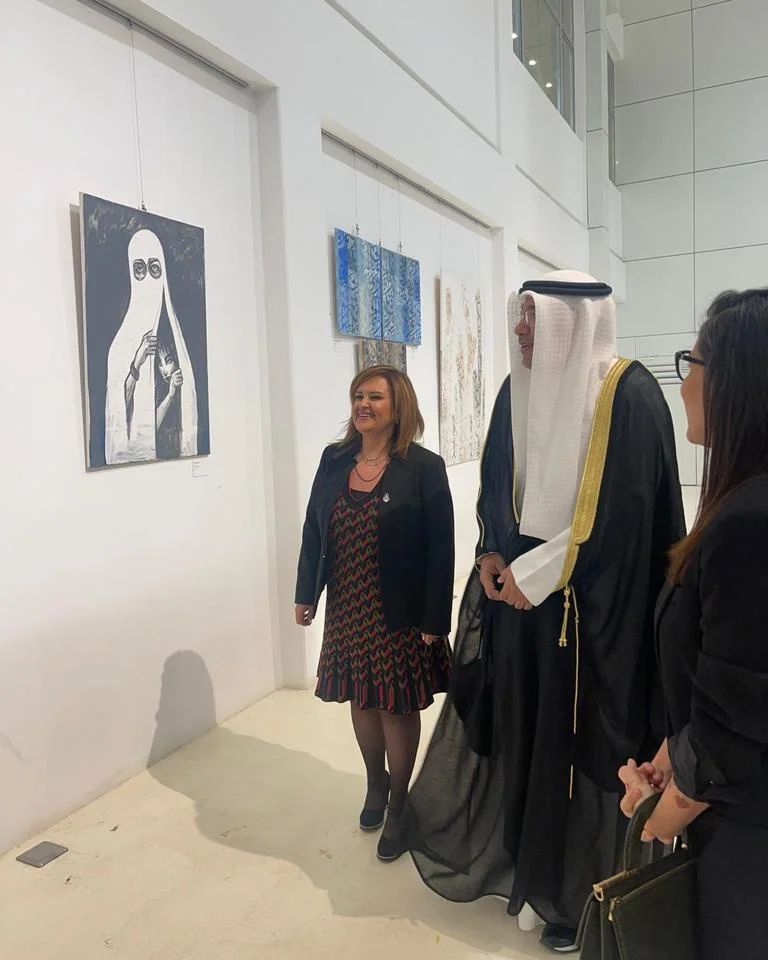
Dar al-Athar al-Islamiyyah, under the patronage of the minister of Foreign Affairs HH Sheikh Dr Ahmed Nasser al-Mohammed al-Sabah, hosted the United Nations High Commissioner for Refugees in the presence of the UNHCR representative in Kuwait HE Nisreen Rubaian at Yarmouk Cultural Centre to celebrate World Refugee Day. In addition to UNRA guests, several artists participated, displaying their artwork. The evening ended with a performance by singer Carol Souki.
You can share this event by:
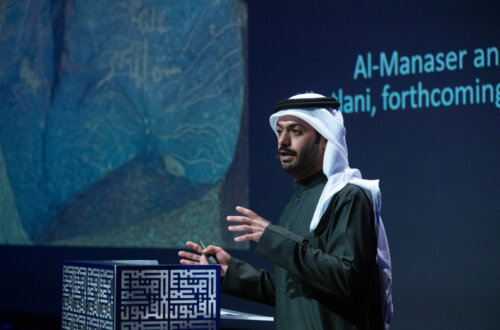
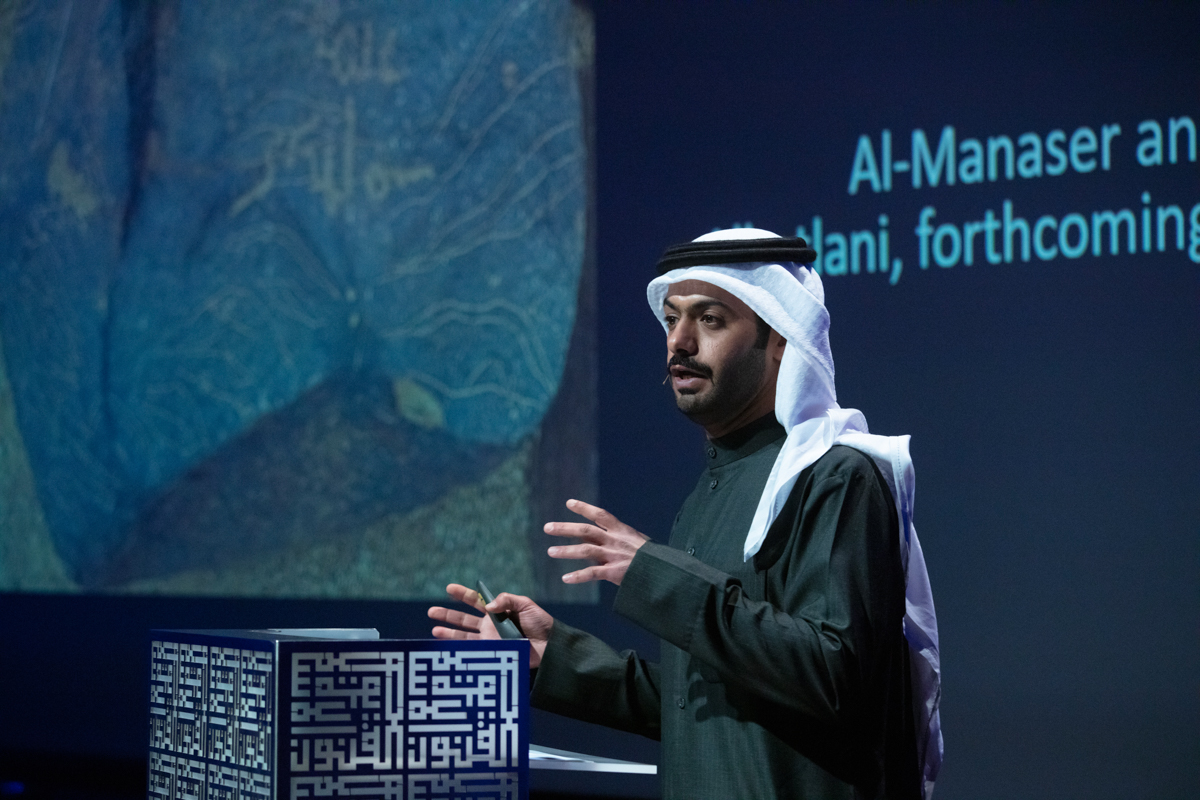
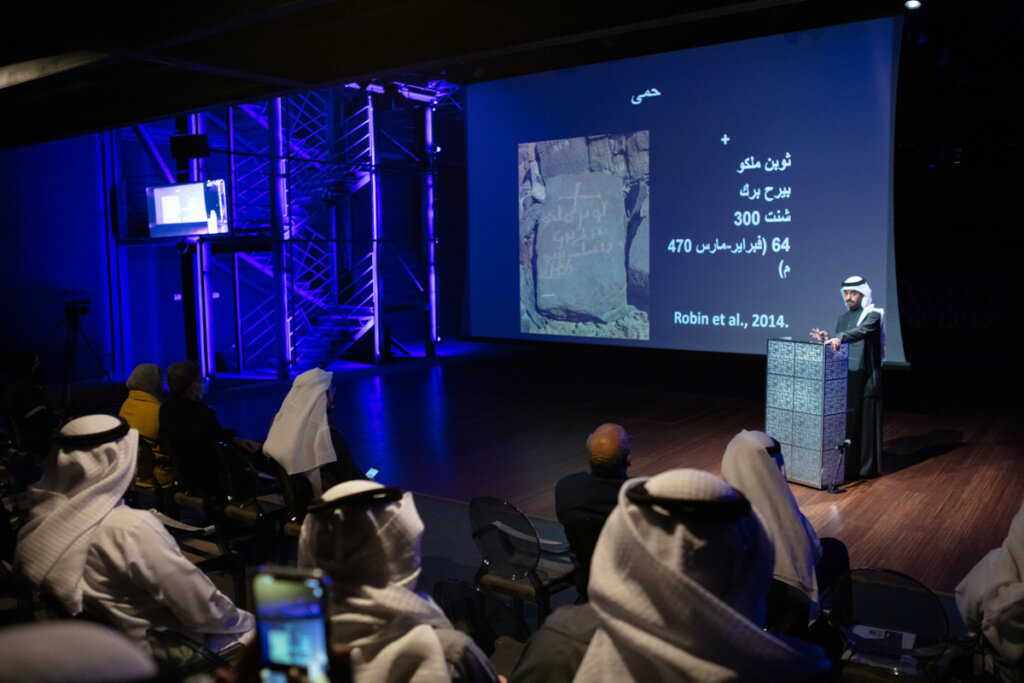
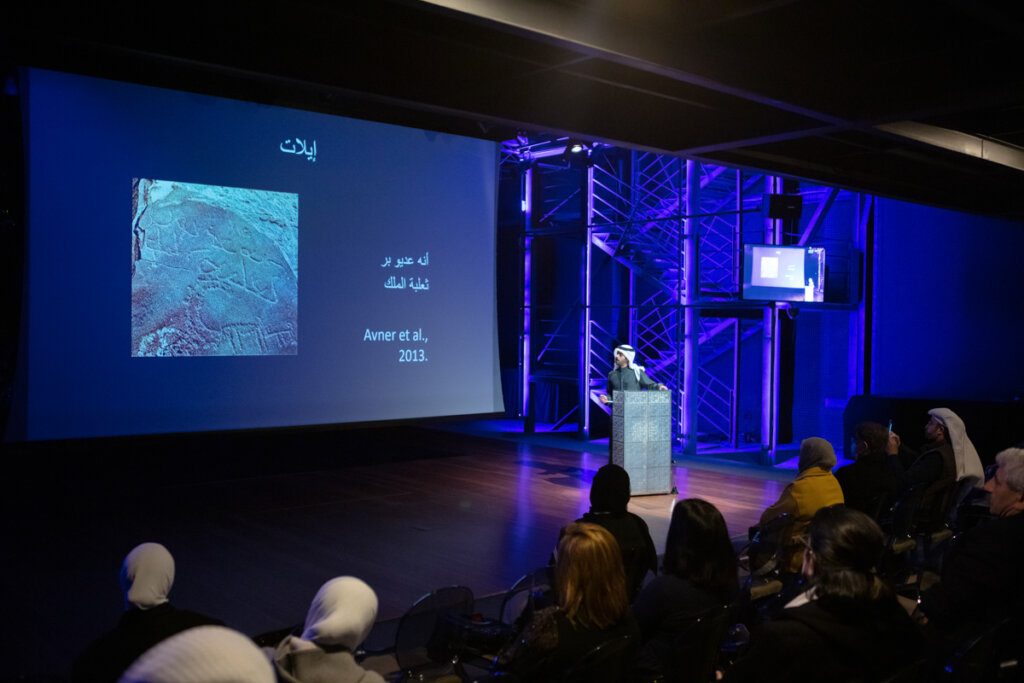
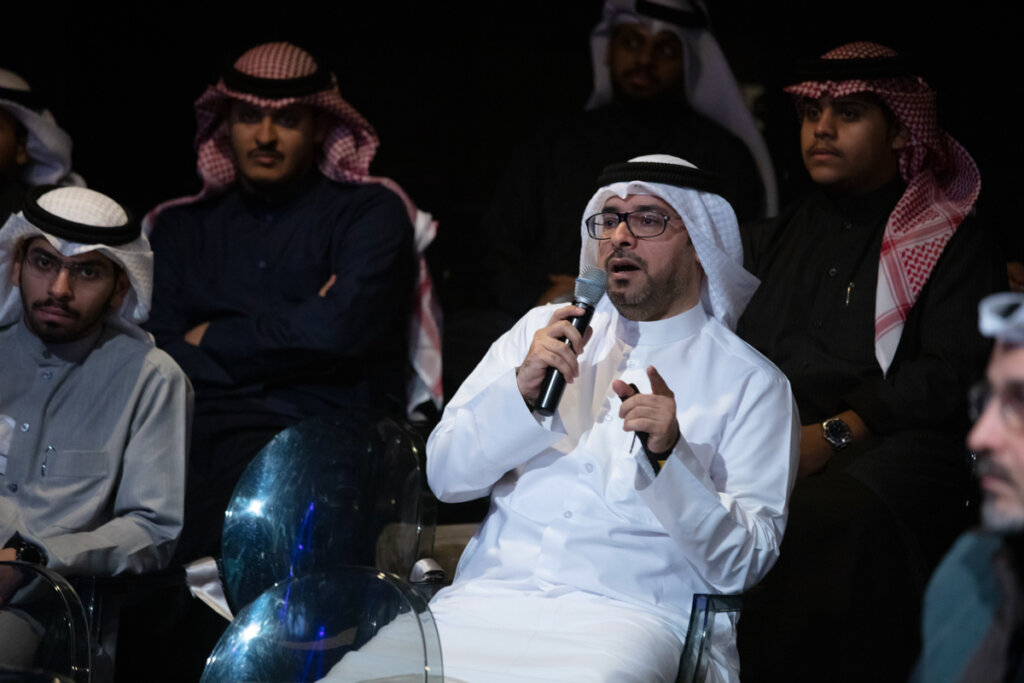
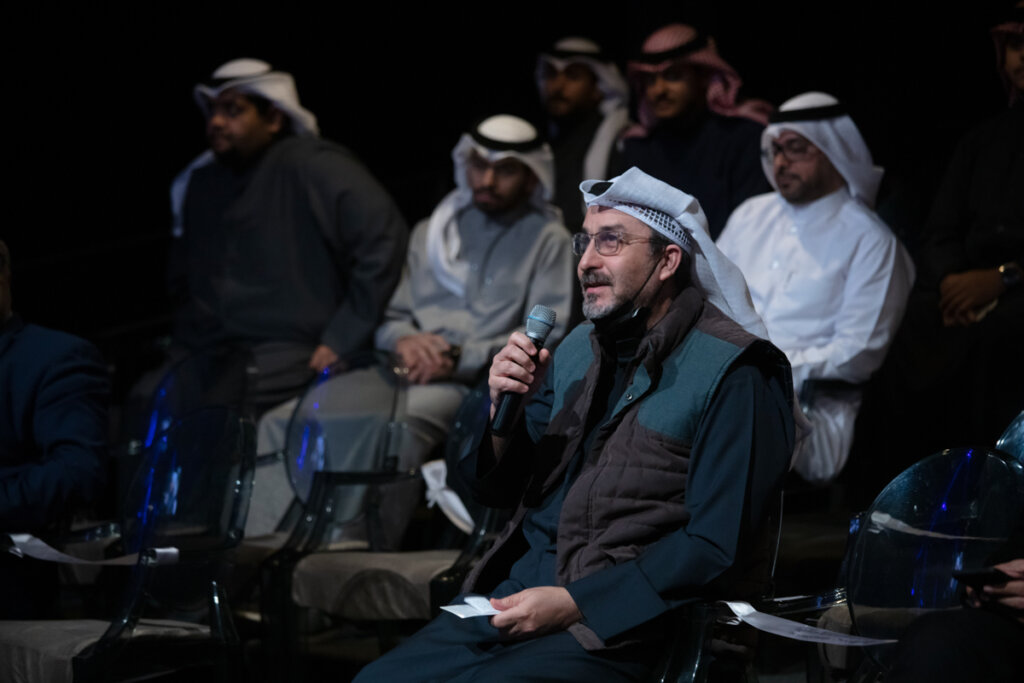
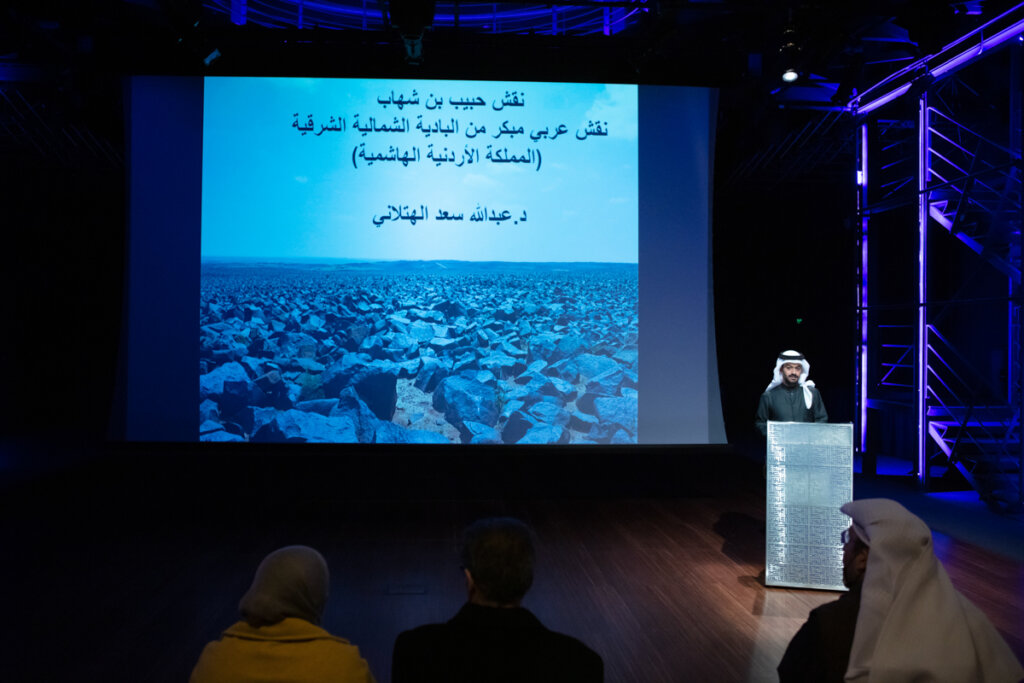
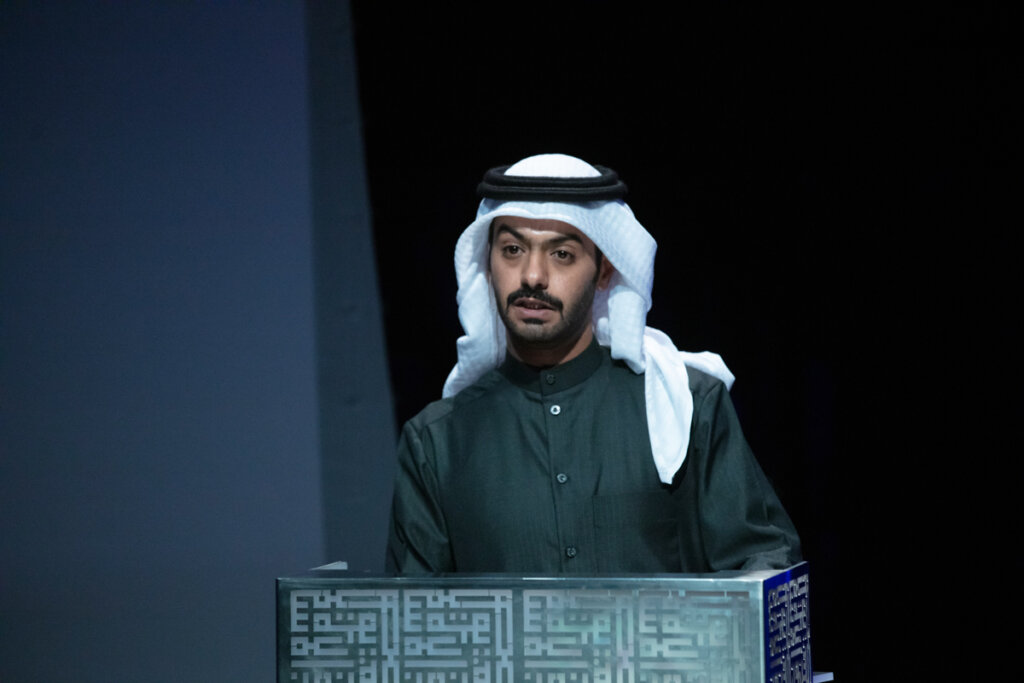
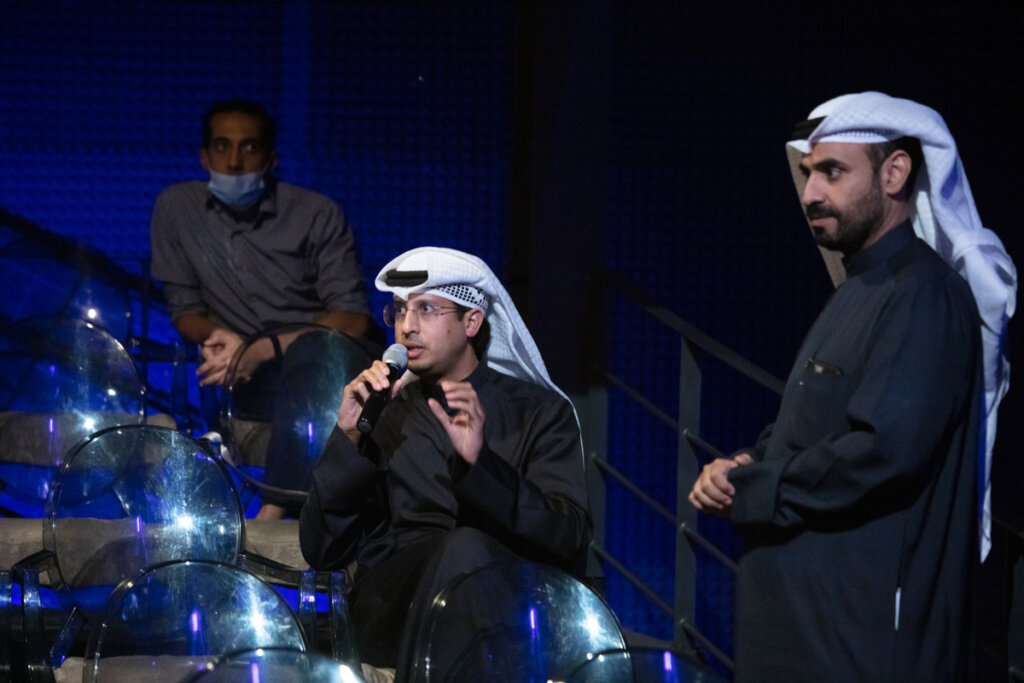
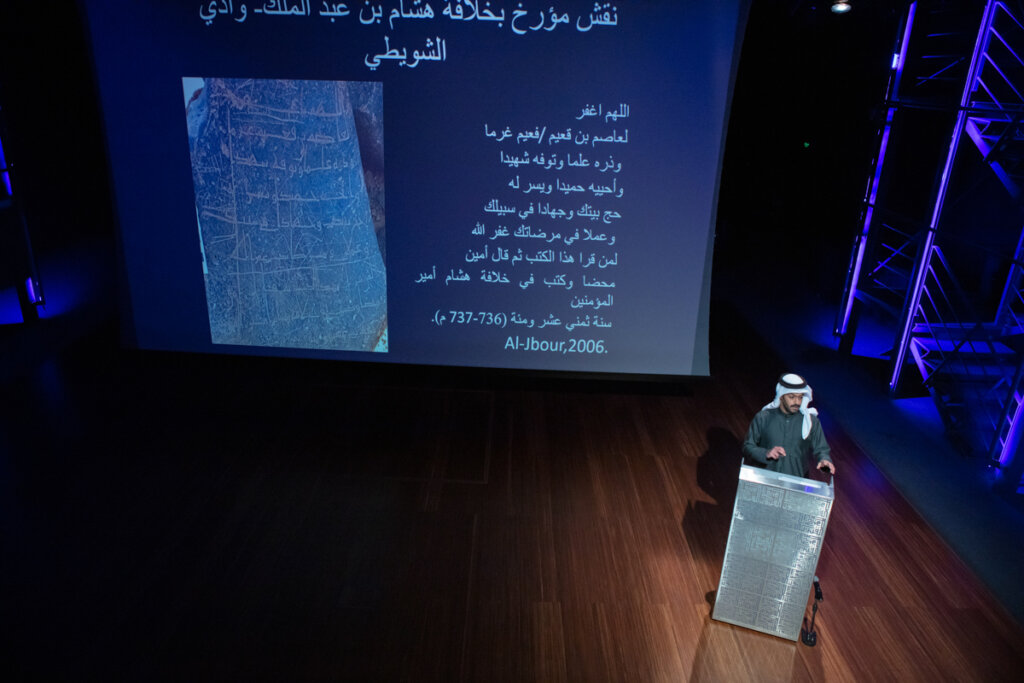
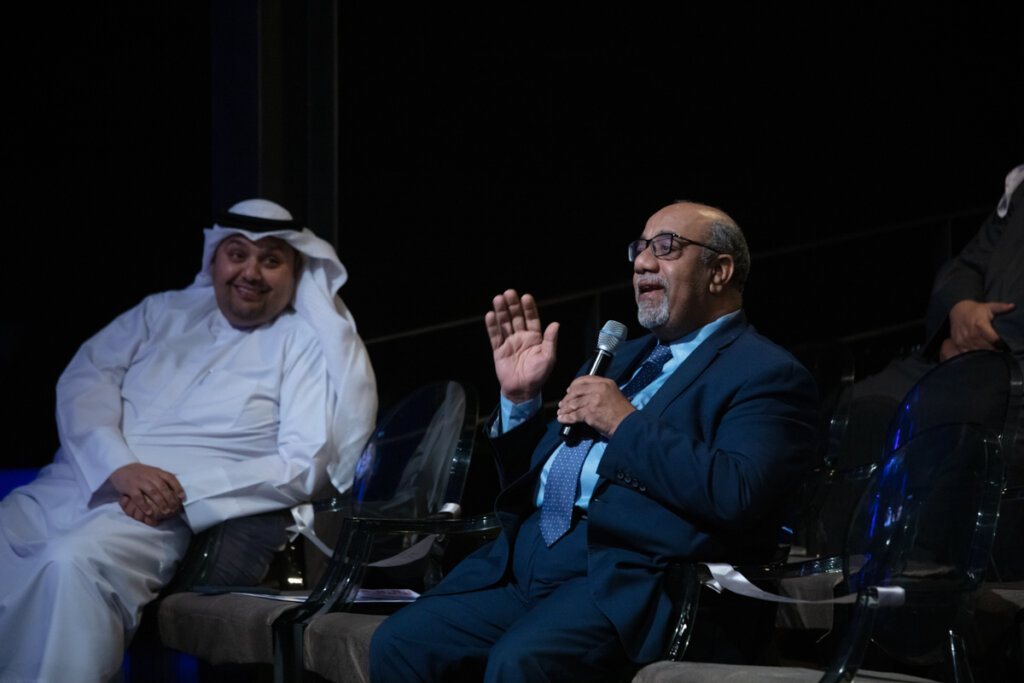
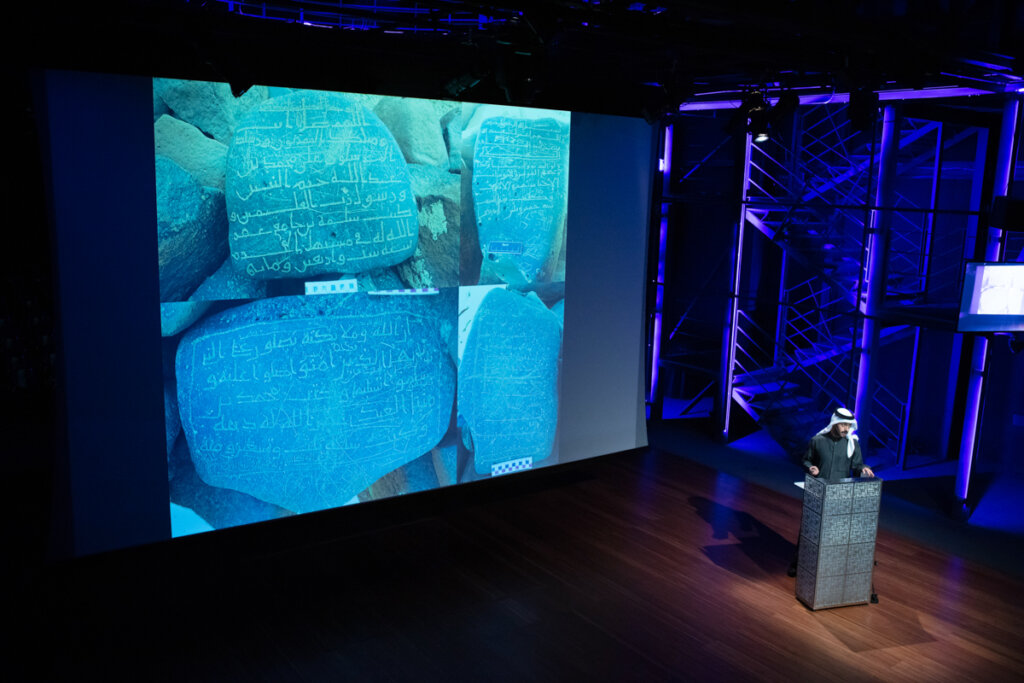
“Habib bin Shihab inscription:An Early Arabic Inscription Dated From the Northeastern Badia (The Hashemite Kingdom of Jordan)” presented by Dr. Abdullah Sa’ad Al-Hatlani.
Lecture presented in Arabic.
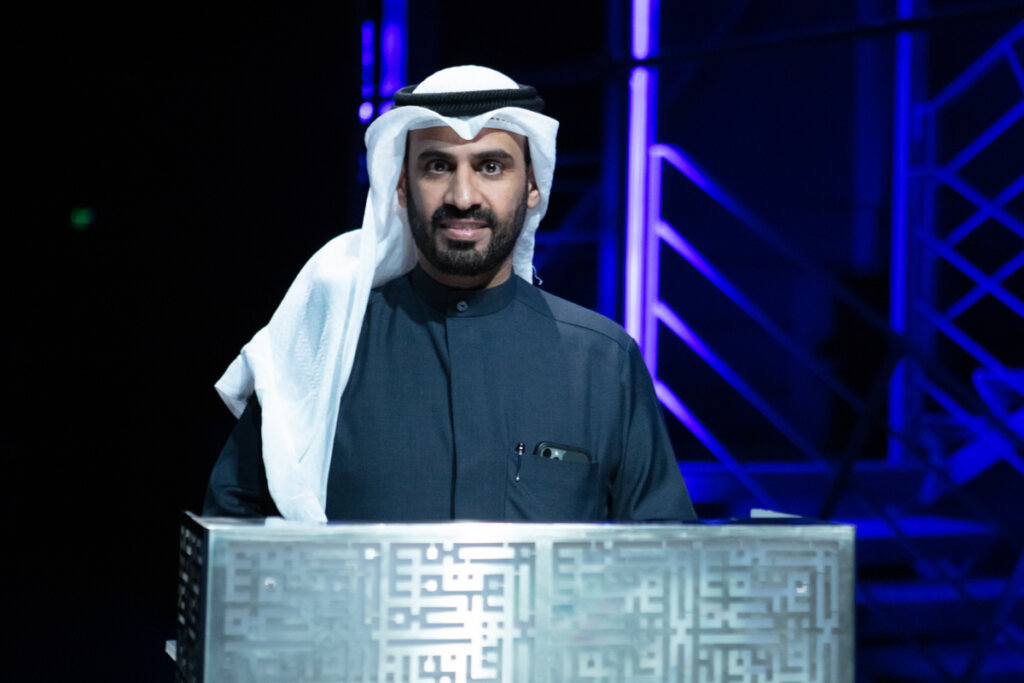
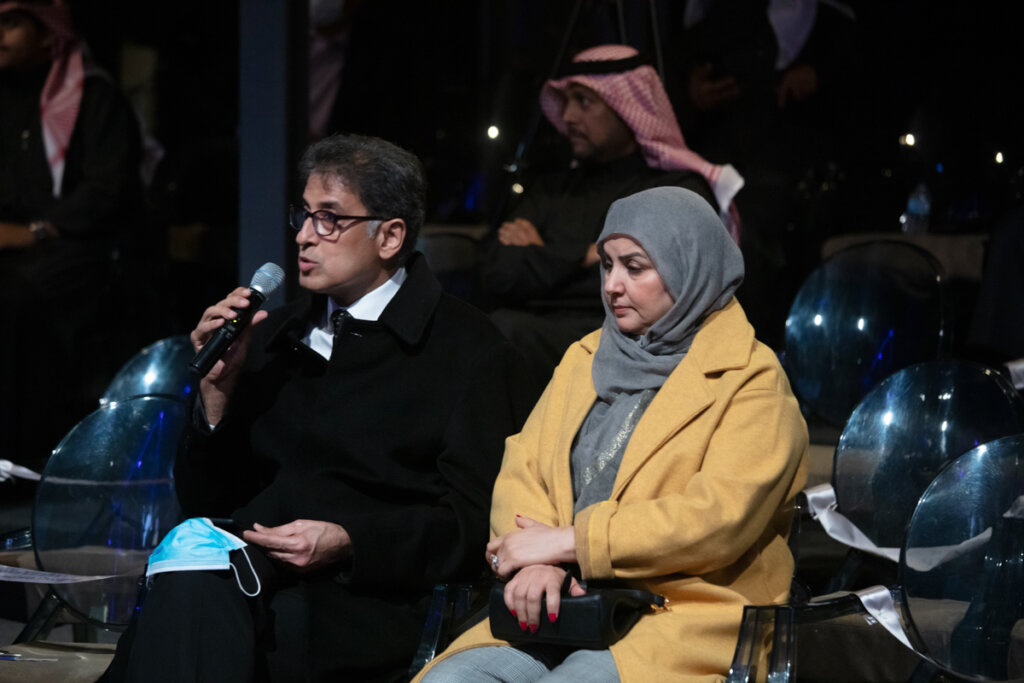
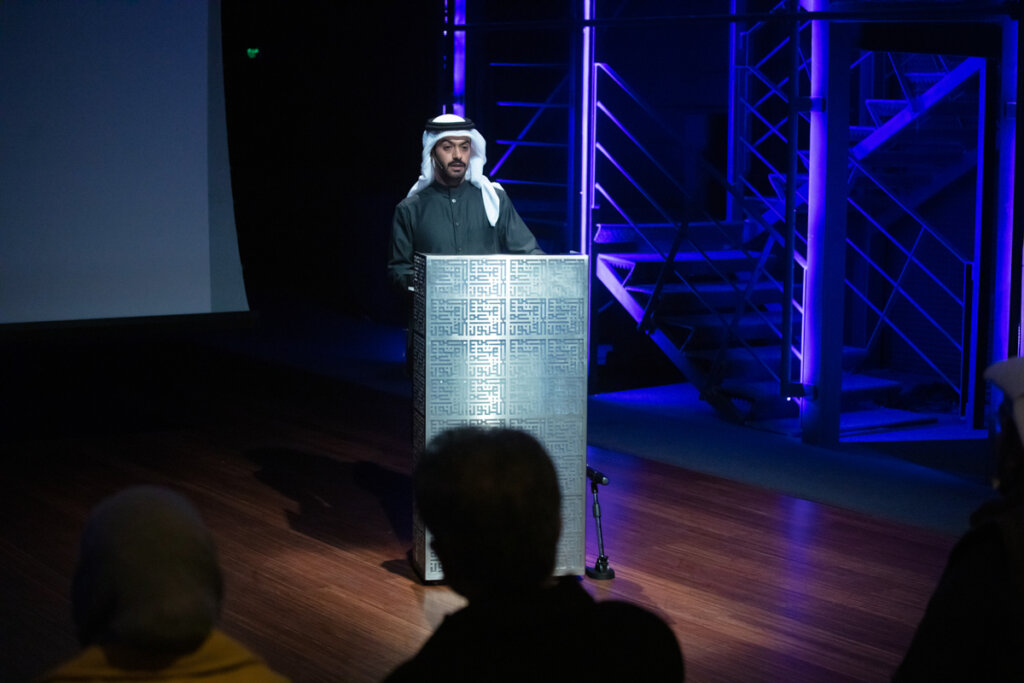
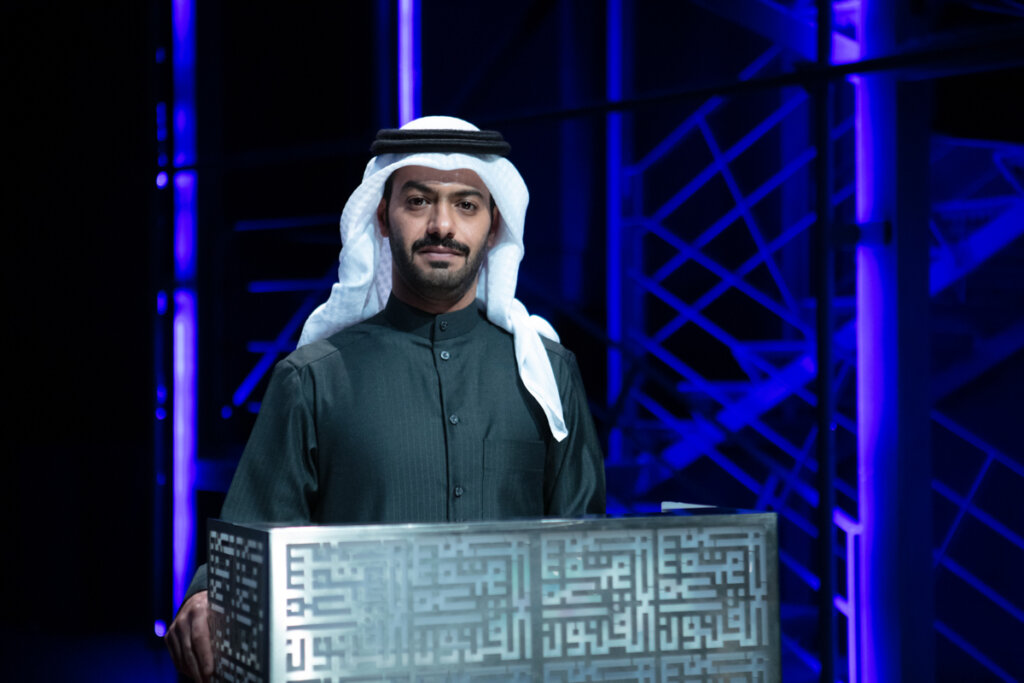
You can share this event by:
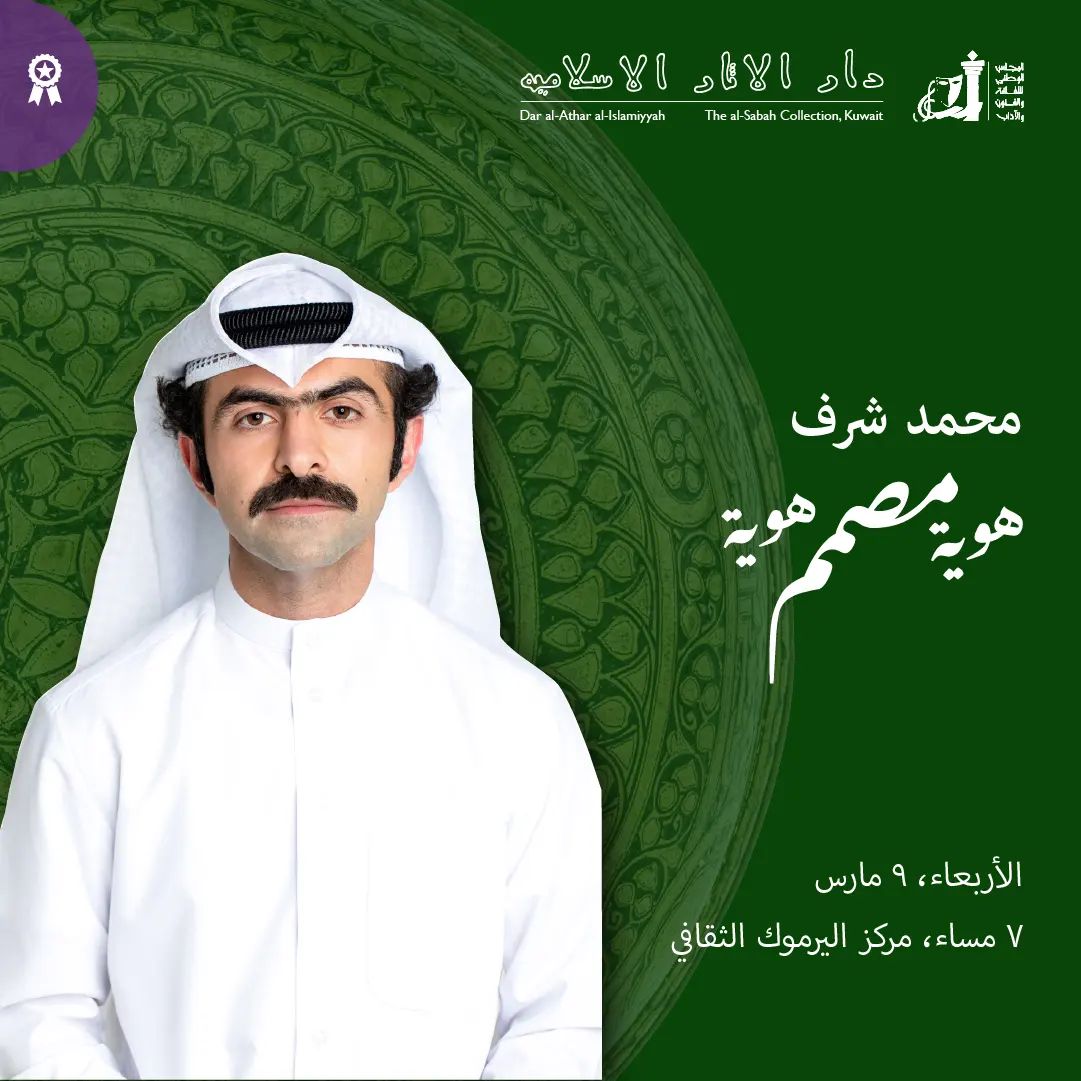
A seminar presented by Mr. Muhammed Sharaf titled “Designer Identity”.
Mohammad Sharaf is a Kuwait-based designer and the director of Sharaf Studio. He holds a bachelor’s degree in Marketing and another bachelor’s degree in Graphic Design. He later earned his MFA from the School of Visual Arts in New York. Sharaf is interested in social and political symbolism and specializes in visual identity, typography and editorial design.
In 2011, he started a series of works entitled “Visual Reactions” which he used to communicate his views on rising local, regional, and international issues. His latest work, “Cemetery of Banned Books”, was a public art intervention created to protest against censorship in Kuwait.
Sharaf continues to expand in his use of mediums, creating bold, powerful and thought-provoking visuals alongside themes that reflect on current society.
You can share this event by:
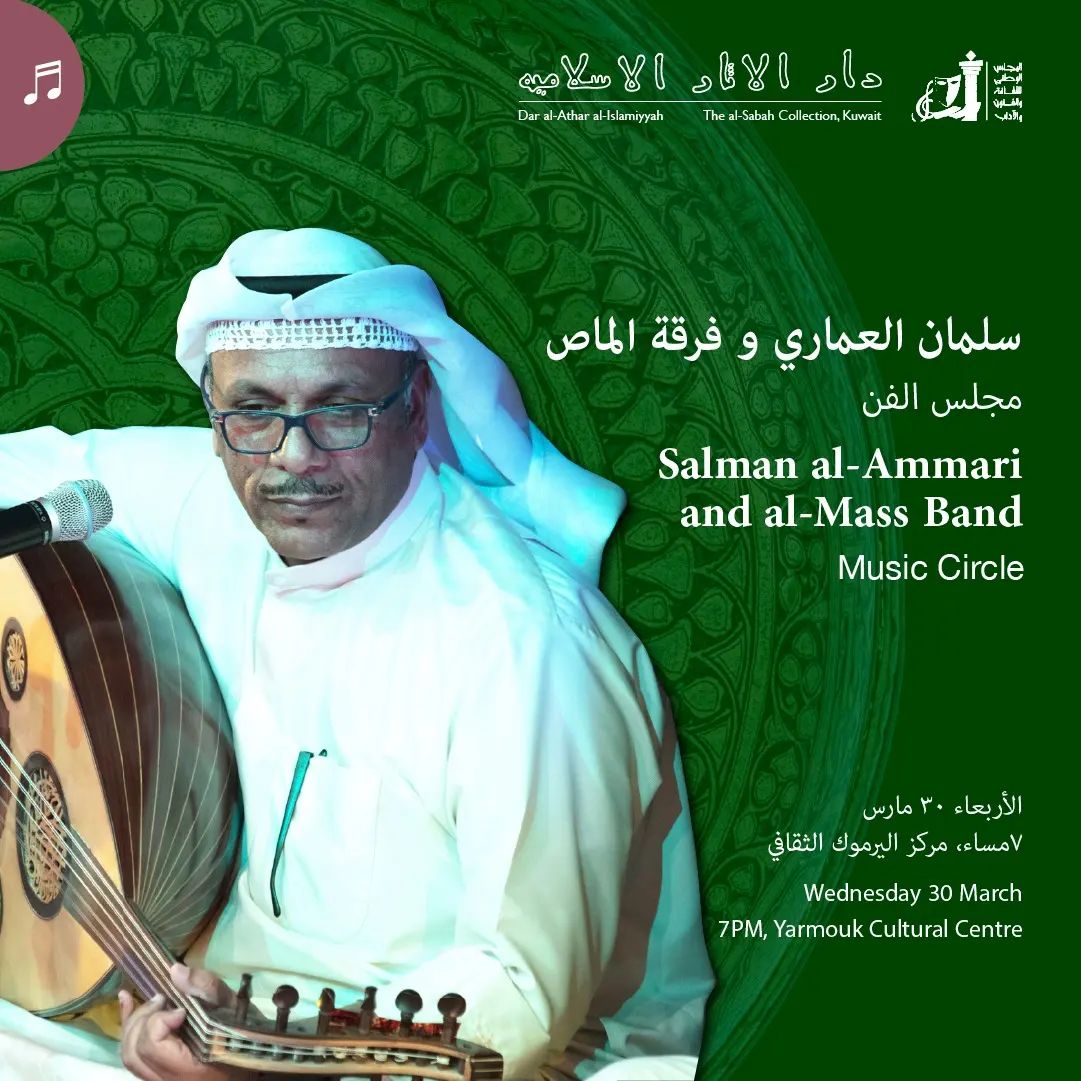
“Music Circle” performed by Salman al-Ammari and al-Mass Band.
Salman Al-Ammari is a Kuwaiti folk artist, a vocalist, and Oud player. He is an admirer of old Kuwaiti sounds, folklore and the Sea Music, influenced by vocalists and famous old Kuwaiti singers such as Hamad Khalifa, Mohammed Zuwaid, Mohammed Bin Fares, and Dahi Bin Walid.
You can share this event by:
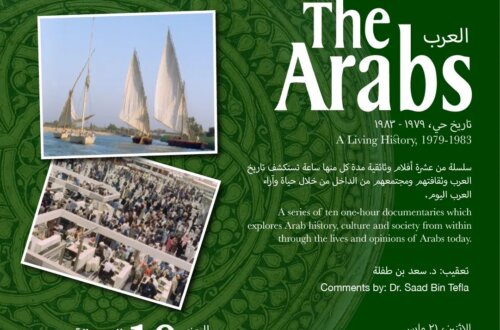
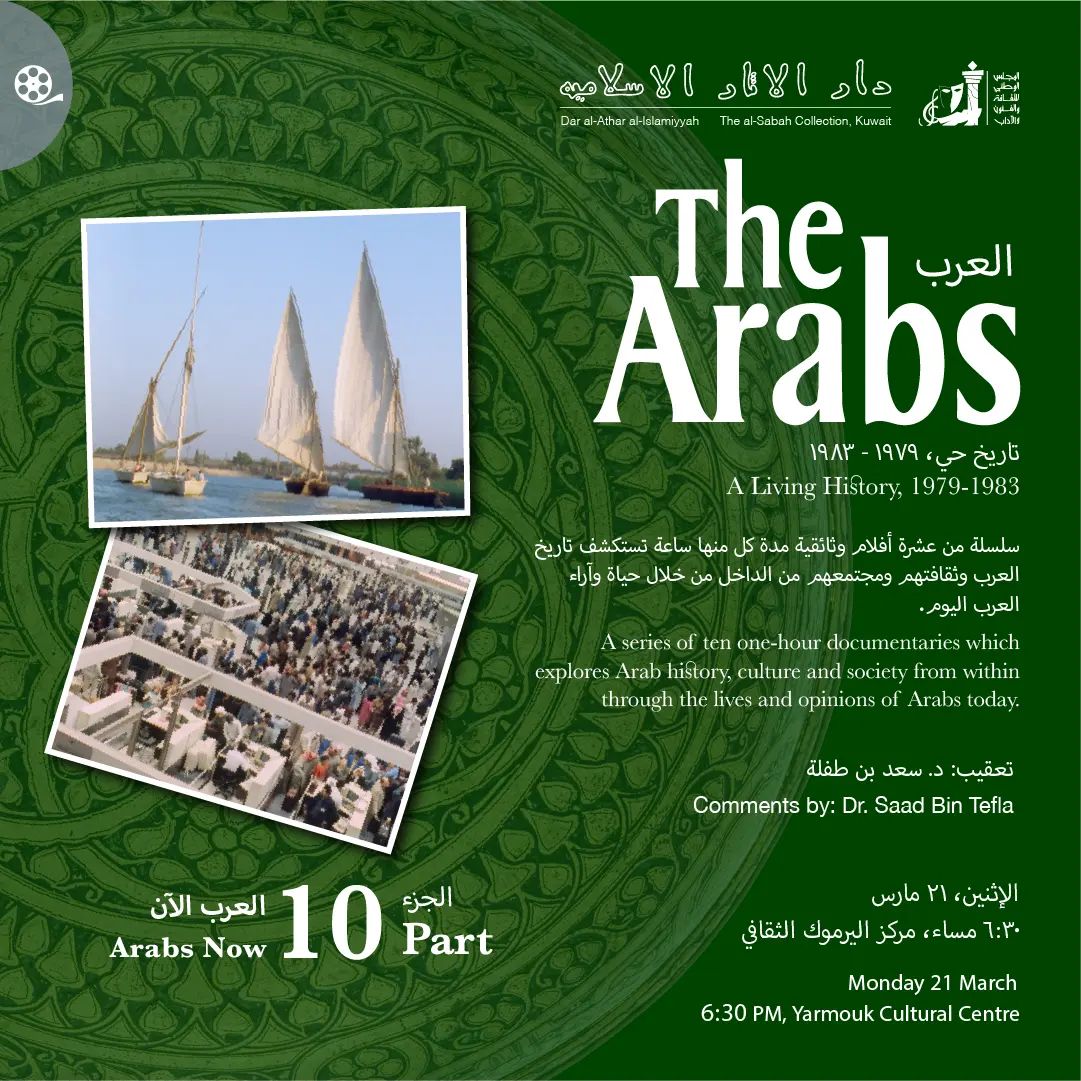
Part 10: “The Arabs Now” by Basim Musallam. Comments by: Dr. Saad Bin Tefla.
What do the Arabs believe to be the most potent forces in their society at the present time and how do they assess their condition today?
How possible is criticism of that condition and who will be the most effective critics? The intellectuals? The politicians? Arab youth? Fifty percent of all Arabs are under the age of twenty and 20,000,000 Arab children are in school today. What effect will this explosion in education have on society? What will be the effect of the huge labour-migration across the Arab world or the revolution in communications, as air-travel, television, video and satellites serve to bring Arabs of all nations into close contact with one another?
Just how successful have the Arab political orders been coping with all the needs and pressures of our time and what future developments are likely or possible?
Basim Musallam returns to the Arab world for this final programme of the series, to ask the questions that Arabs ask themselves; not in the hope of finding definitive answers, for those are beyond reach, but in order to allow the Western viewer to share in those concerns which are uppermost in the Arabs’ own minds.
Major Locations
Cairo, Lebanon, The Arabian Gulf, Morocco
You can share this event by:
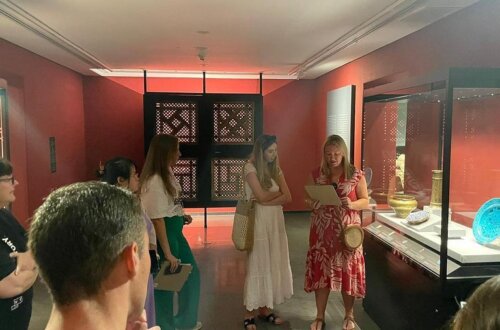
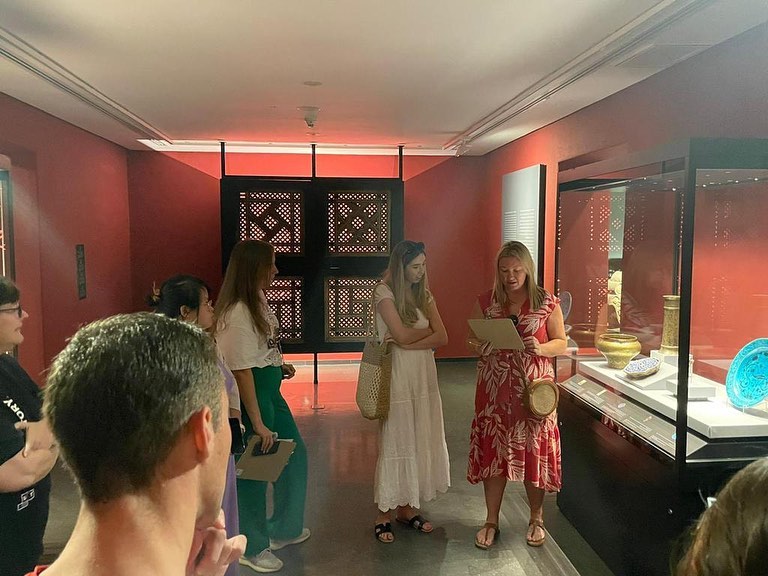
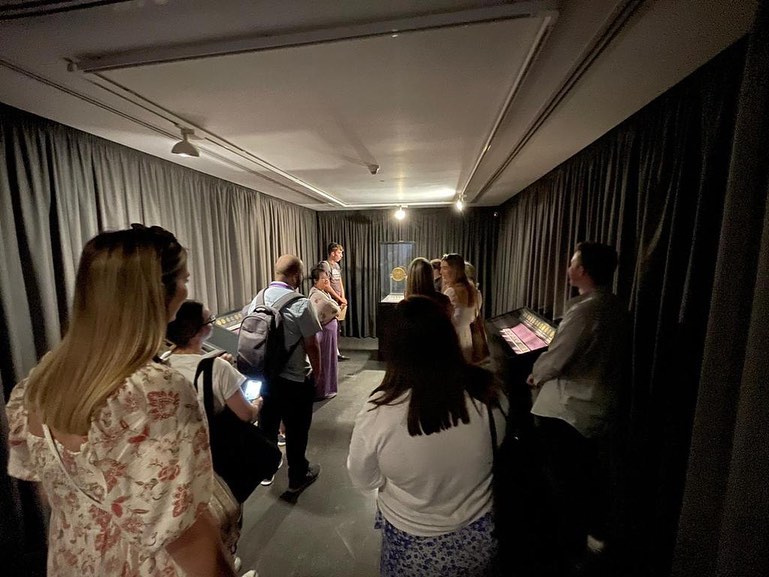
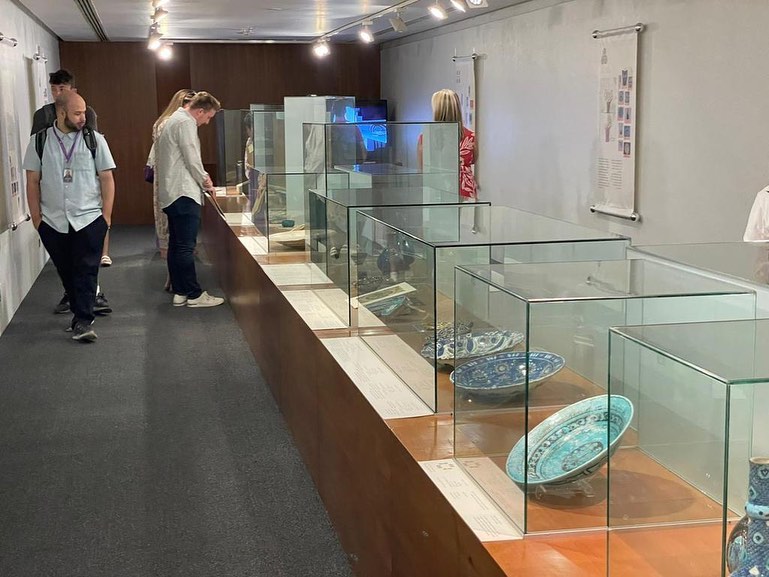
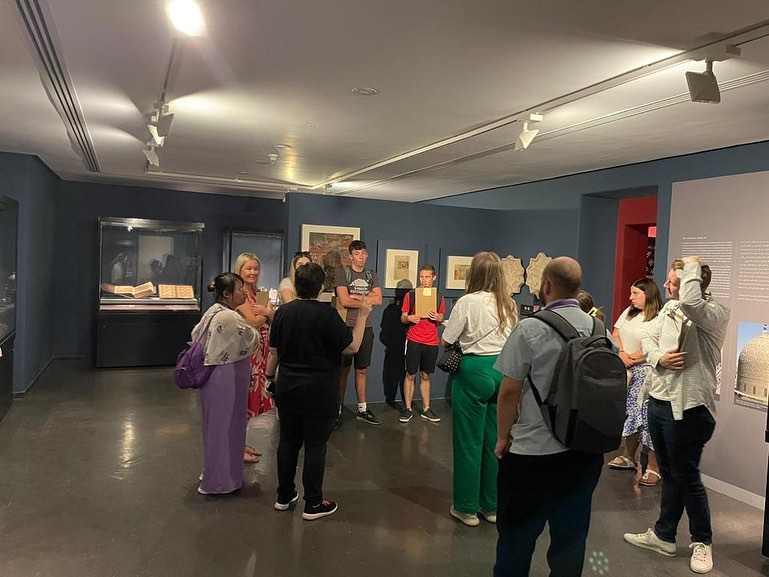
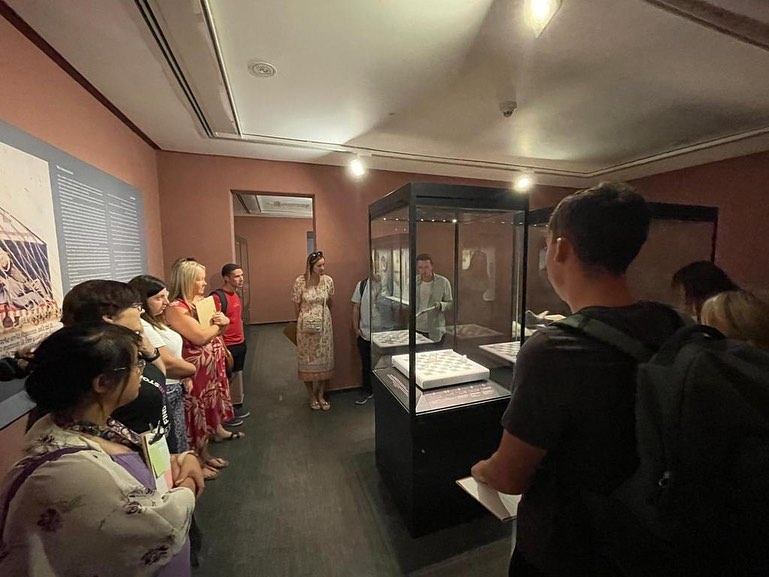
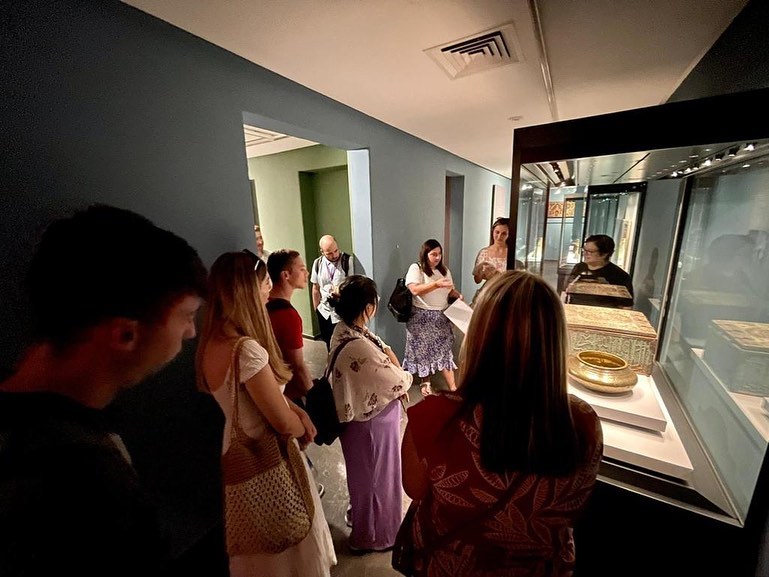
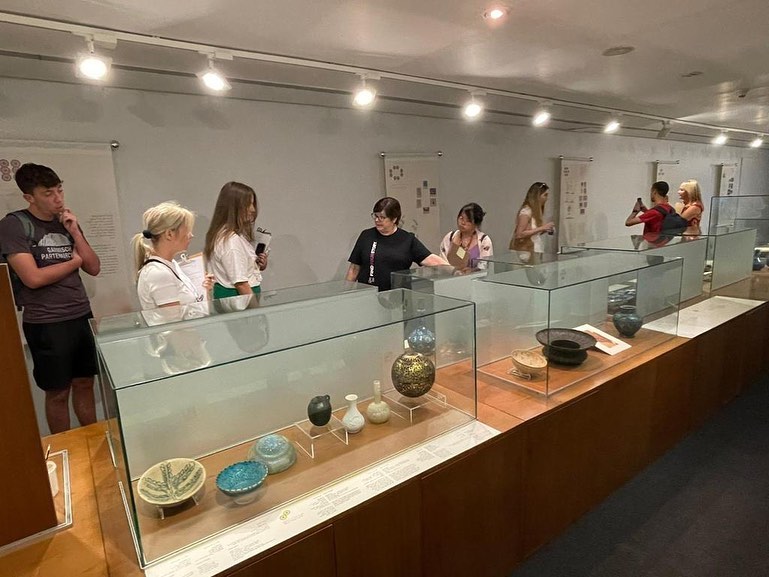
BSK brought more than a dozen student teachers to the Amricani Cultural Centre for a very special visit. Working with the DAI Education Team, the soon-to-be teachers took on the role of students and explored the museum using some Harvard University Project Zero Thinking Routines. Many were experiencing the Thinking Routines for the first time; all agreed the routines are a valuable tool for any classroom.
You can share this event by: